



![HAOQI Black Leopard Pro Fat Tire Electric Bike (UL Certified) [electric bike] [HAOQI ebike]](http://haoqiebike.com/cdn/shop/files/20230327-133156_6d5b0909-1e85-4b65-8e89-3a2baac6bef0.jpg?v=1773889919&width=1500)
![HAOQI Antelope 500W Cargo Electric Bike (UL Certified) [electric bike] [HAOQI ebike]](http://haoqiebike.com/cdn/shop/products/haoqi-antelope-cargo-electric-bike-with-dual-battery-haoqiebike-com-1.jpg?v=1753954498&width=1500)
![HAOQI Eagle Long Range Electric Bicycle (UL Certified) [electric bike] [HAOQI ebike]](http://haoqiebike.com/cdn/shop/files/2_bf7ae46b-aad6-472a-9c14-d56ca3f0feb6.jpg?v=1755142722&width=1500)
![HAOQI Antelope Pro 750W Cargo Electric Bike (UL Certified) [electric bike] [HAOQI ebike]](http://haoqiebike.com/cdn/shop/products/haoqi-antelope-pro-cargo-electric-bike-with-dual-battery-750w-haoqiebike-com-5.jpg?v=1768462381&width=1500)
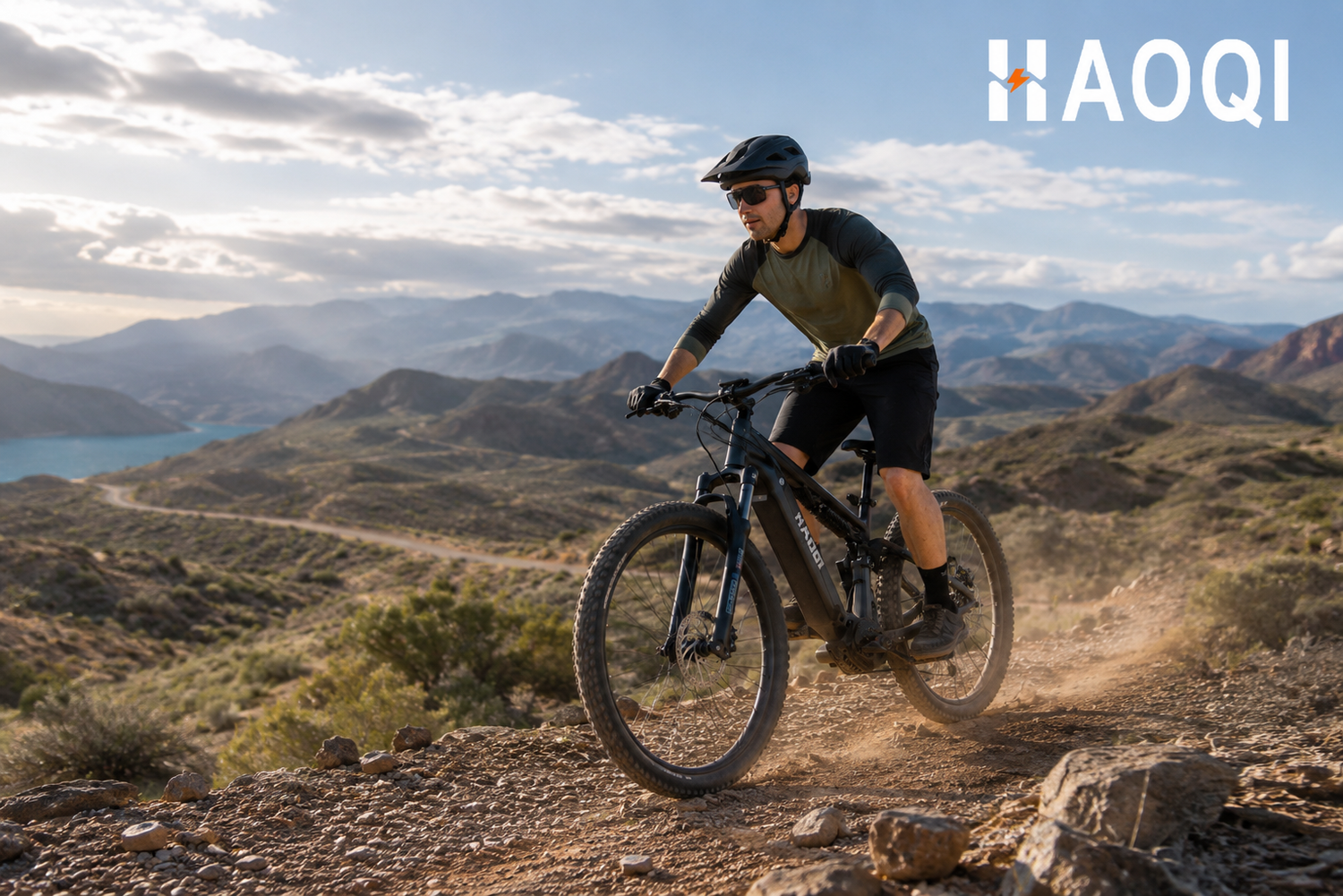
If you've noticed your chainring wobbling or the bolts working loose after just a few rides, you're not alone. It's one of the most common issues we see — and in almost every case, it comes down to one thing: riding technique.
The Short Answer
Punching the throttle from a standstill creates an instant torque spike that works against the chainring's thread direction. Over time, this loosens it — even if the installation torque was perfect.
The fix? Pedal first, then apply power gradually.
Why Does Hard Throttle Loosen a Chainring?
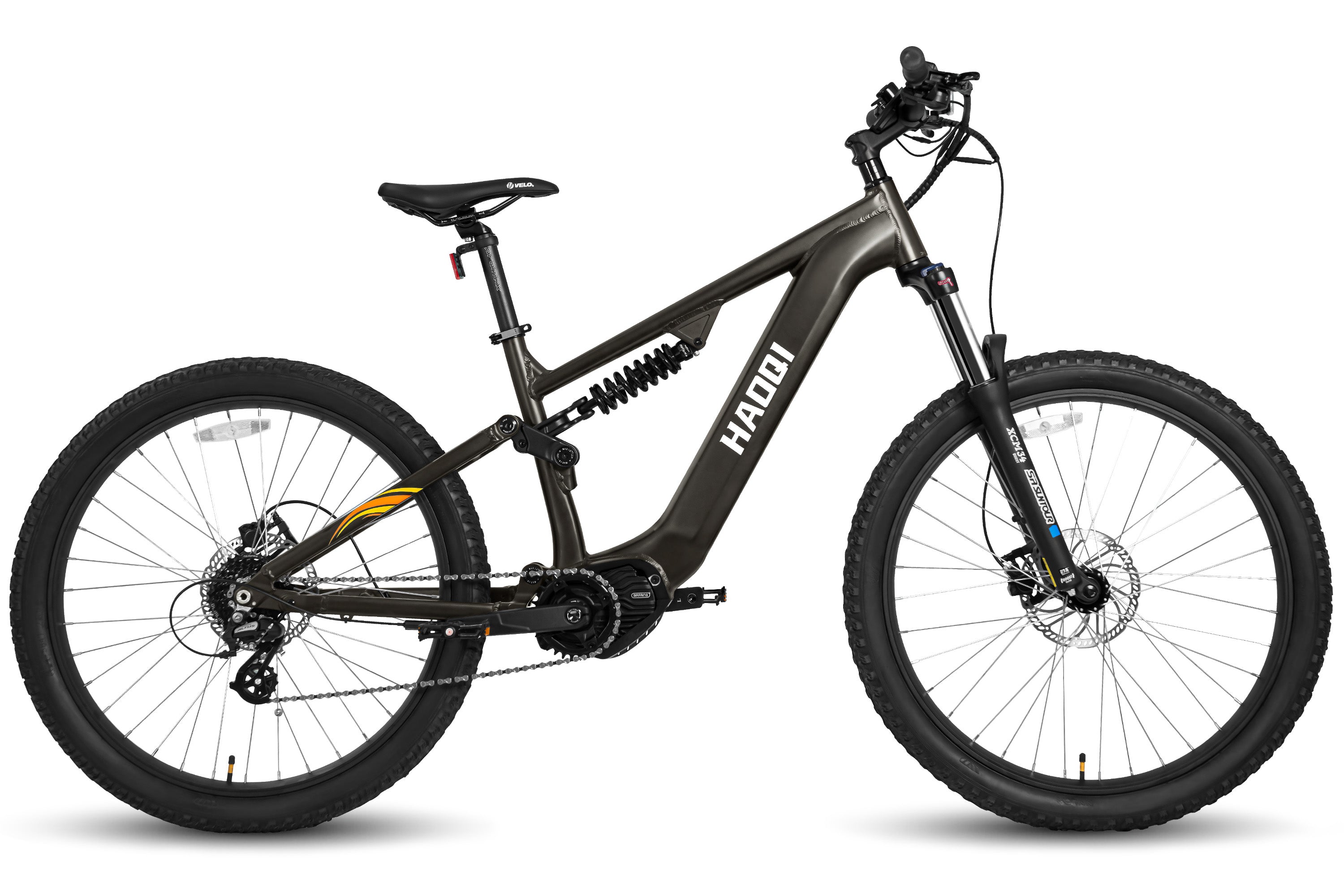
Most mid-drive motors — including the Bafang M560 found on the HAOQI Mustang, Bosch Performance Line, and Shimano EP8 — use a threaded chainring lock ring. It's typically a right-hand thread, which means forward pedaling naturally keeps it tight. Under normal riding loads, this design works flawlessly.
The problem occurs when the motor dumps full torque instantly from a dead stop. That sudden power surge creates uneven chain tension and brief reverse-direction shock loads through the drivetrain. Repeated thousands of times across your rides, those micro-shocks gradually back the threads out.
Think of it like a bolt subjected to constant vibration — it will eventually work itself loose no matter how well it was torqued down at the start.
The Bafang M560's torque sensor delivers 130Nm of responsive power — but only works correctly when paired with good riding technique.

Figure: High-torque mid-drive systems, like the one engineered for HAOQI e-bikes, efficiently transfer raw power to the chainring—making correct riding techniques essential to maintain peak performance.
Mid-Drive vs. Rear Hub eBike: Which Is More at Risk?
Mid-Drive eMTB (e.g., HAOQI Mustang with Bafang M560)
- Motor torque is routed directly through the chainring and chain.
- Hard throttle inputs put significant stress on the chainring threads.
- Requires coordinated pedaling and motor assist — they work as a system.
- Higher risk of thread loosening if ridden incorrectly.
Rear Hub Motor eBike
- The motor drives the rear wheel independently of the pedaling system.
- The chainring only sees force from your legs, not the motor.
- Lower risk overall — but smooth riding still extends drivetrain life.
- Chain tension and shifting habits still matter.
The bottom line: Mid-drive systems are far more sensitive to aggressive throttle use. If you ride a mid-drive eMTB like a throttle-only scooter, your drivetrain will suffer for it.
4 Riding Habits That Damage Your Drivetrain
- Full throttle from a standstill This is the most damaging habit. Peak motor torque with zero chain momentum creates the worst-case impact on the chainring threads.
- Shifting under heavy load Forcing a gear change while pedaling hard causes chain skip and sudden impact loading across the drivetrain. Always ease off before shifting.
- Accelerating on a slack chain If your chain has any slack and you hit the power hard, it snaps tight under load — sending a shock wave through the entire drivetrain.
- Skipping scheduled maintenance Especially relevant for trail and off-road riding, where vibration loosens fasteners far faster than on-road use. Regular checks are essential.
Proper riding technique on the HAOQI Mustang means letting the Bafang motor amplify your pedaling — not replacing it.
How to Ride a Mid-Drive eBike Correctly
Step 1 — Pedal first, then add assist Before engaging motor assist, pedal two or three strokes to get the chain moving and under light, even tension. This removes slack and stabilizes the drivetrain before the motor kicks in.
Step 2 — Keep your cadence steady Mid-drive assist is designed to amplify your pedaling rhythm, not replace it. Aim for a cadence of around 70–90 rpm and let the motor follow your input.
Step 3 — Ease off before shifting Reduce your pedaling pressure slightly just before you change gear. This allows the chain to move under low tension and prevents chain skip and impact loading.
Step 4 — Ramp up assist gradually Instead of jumping straight to the highest assist mode, start on a lower setting and increase only when needed. Smoother power delivery means less drivetrain shock over time.
Master the Trail with the Right Technique
High-performance mid-drive systems are built to tackle steep climbs and rugged terrain, but their massive power requires a little bit of finesse to keep everything running smoothly. By turning these four simple steps into baseline riding habits, you’ll protect your drivetrain, prevent loose bolts, and enjoy a much smoother ride.
Ready to experience what 130Nm of perfectly handled, mid-drive power feels like on the trails? Check out the full-suspension HAOQI Mustang Premium Electric Mountain Bike today and ride like a pro.




Leave a comment
All comments are moderated before being published.
This site is protected by hCaptcha and the hCaptcha Privacy Policy and Terms of Service apply.